
Polish and British Codebreakers Broke the Enigma Cipher
Marian Rejewski's early work was built upon at Bletchley Park.
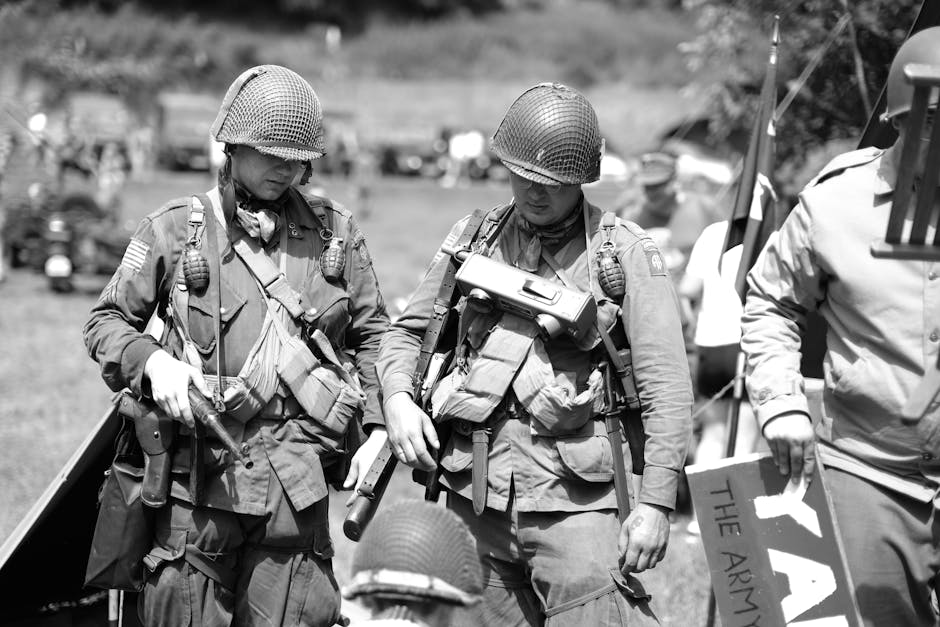 Topic
10 facts
Explore the pivotal events, key figures, and devastating impact of World War II. Discover facts about the global conflict that reshaped the 20th century.
Marian Rejewski's early work was built upon at Bletchley Park.
Bombs were dropped on Hiroshima and Nagasaki in August 1945.
Allied forces landed in Normandy on June 6, 1944.
It was the deadliest conflict in human history.
It began with Germany's invasion of Poland on September 1, 1939, and ended with Japan's surrender in September 1945.
During World War II, the Cocos Islands became a crucial Allied airbase, primarily for Royal Air Force squadrons targeting Japanese shipping in the Indian Ocean. Its strategic location made it an unsinkable aircraft carrier in the theatre.
Unlike many nations that mark independence from colonial rule, Belarus commemorates its liberation from Nazi occupation in 1944 as its national holiday. This reflects the profound impact and sacrifices of World War II on the country's identity and sovereignty.
Constructed in the 1930s to defend the western borders of the Soviet Union, this network of bunkers, trenches, and anti-tank obstacles never saw full combat during its intended period. Today, parts of it are preserved as an open-air museum, offering insights into military history.
During World War II, Belarus lost an estimated one-third of its population and over 80% of its infrastructure was destroyed, making it one of the most ravaged regions. This immense loss profoundly shaped the national identity and left a deep impact on nearly every family.
Following World War II and occupation by Allied powers, Austria declared its permanent neutrality. This status is enshrined in its constitution and has shaped its foreign policy, allowing it to act as a bridge-builder.