
Eritrea Recognizes Nine Ethnic Groups
They include the Tigrinya, Tigre, Afar and Saho, and Eritrea has several languages in daily use.
 Topic
10 facts
Explore Eritrea, an East African gem with a rich history, stunning Red Sea coast, and unique culture. Discover its UNESCO-listed capital, Asmara, and ancient wonders.
They include the Tigrinya, Tigre, Afar and Saho, and Eritrea has several languages in daily use.
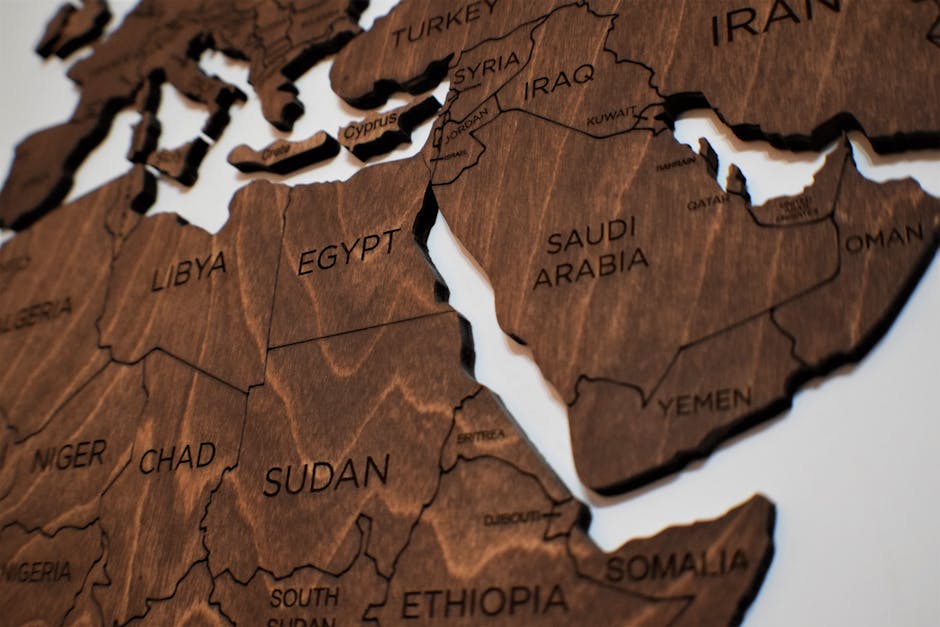
The long coastline runs along the strategic route to the Suez Canal.
Isaias Afwerki has led the country since 1993.
The islands sit off Eritrea's Red Sea coast, and many are uninhabited.
A referendum in April 1993 followed a war of independence that lasted about 30 years.
Eritrea was home to Adulis, a major ancient port city that served as a vital trade hub connecting the Roman Empire, Egypt, and the Aksumite Kingdom. Its strategic location on the Red Sea facilitated the exchange of goods and cultures, leaving behind significant archaeological remains.
Eritrea boasts a narrow-gauge railway system, built by the Italians, that remarkably ascends from sea level to over 2,400 meters. This engineering marvel, featuring numerous bridges and tunnels, still uses steam locomotives on some routes, offering a nostalgic journey through breathtaking landscapes.
The Danakil Depression, partly located in Eritrea, is one of the hottest and lowest points on Earth. This extreme environment, characterized by salt flats, volcanoes, and vibrant hydrothermal fields, challenges human habitation and offers a glimpse into a geologically active planet.
Despite its diverse linguistic landscape, Eritrea does not officially recognize any single language. While Tigrinya, Arabic, and English are widely used for government and commerce, the country officially promotes the equality of all its nine major indigenous languages.
Eritrea's capital, Asmara, is a UNESCO World Heritage site recognized for its exceptional collection of modernist architecture. Built during the Italian colonial period, it features unique art deco cinemas, futuristic gas stations, and rationalist buildings, earning it the nickname "Little Rome."