
Camels Store Fat in Their Humps, Not Water
The fat is an energy reserve that lets them go long periods without food.
 Topic
10 facts
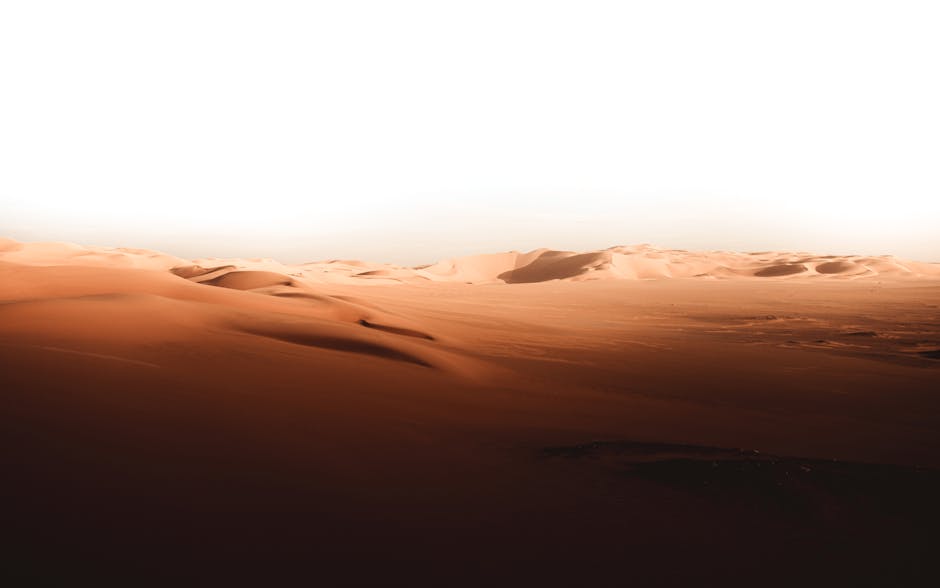
Explore the vast, arid beauty of deserts, Earth's driest biomes. Discover unique wildlife, extreme climates, and fascinating geological formations.
The fat is an energy reserve that lets them go long periods without food.
The Gobi's winter temperatures can drop to around minus 40 degrees Celsius.
Most of it is rock, gravel and plains.
Some weather stations there have never recorded rain.
It covers about 9 million square kilometers.
Regions that receive less than about 250 millimeters of precipitation a year count as deserts.
The vast Sahara desert dominates the northern part of the country, creating extreme temperatures and arid conditions. This makes a significant portion of Chad largely uninhabitable and sparsely populated, defining much of its landscape.
This ancient desert creates unique coastal ecosystems where towering sand dunes meet the Atlantic Ocean, supporting specialized flora and fauna adapted to its extremely arid conditions. It's a dramatic landscape of stark beauty and scientific interest.
This immense desert landscape defines much of Algeria's interior, featuring vast sand dunes, rocky plateaus, and ancient mountain ranges. Despite its arid nature, the Algerian Sahara supports unique biodiversity and has been home to human civilizations for millennia.
A desert is defined by its low precipitation, not necessarily high temperatures. Antarctica receives less than 200 millimeters (7.9 inches) of precipitation annually, almost entirely as snow, making it the coldest and largest desert.