
Ernest Hemingway Lived in Cuba for About Two Decades
He wrote at his home Finca Vigía near Havana from 1939 until 1960.
 Topic
10 facts
Discover Cuba's vibrant culture, rich history, and stunning landscapes. Explore its iconic cities, revolutionary past, and beautiful Caribbean beaches.
He wrote at his home Finca Vigía near Havana from 1939 until 1960.
He reached the island in October of that year on his first voyage.
At around 5 to 6 centimeters long, it is the smallest bird in the world.
Its Spanish colonial architecture and fortifications are among the best preserved in the Americas.
It stretches roughly 1,250 kilometers from east to west, and its main island is surrounded by more than 4,000 smaller cays and islets.
Unlike most countries saturated with advertisements, Cuba's roadsides are largely free of commercial billboards. Instead, you'll find large signs featuring revolutionary heroes like Che Guevara and Fidel Castro, or slogans promoting socialist ideals and national unity.
The Tocororo, or Cuban Trogon, boasts vibrant red, white, and blue feathers, mirroring the Cuban flag. Intriguingly, it's known for not surviving long in captivity, a characteristic often cited as a powerful symbol of the Cuban people's desire for freedom.
Known for its "medical diplomacy," Cuba sends tens of thousands of healthcare professionals to over 60 countries globally, often in exchange for oil, goods, or political support. This extensive program has been a cornerstone of its foreign policy for decades.
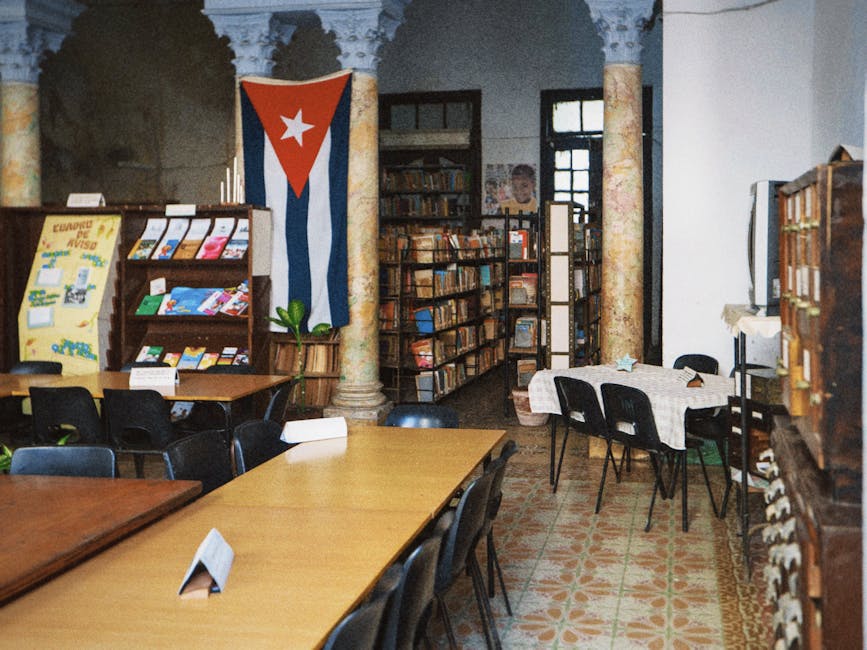
Shortly after the 1959 revolution, Cuba launched a monumental literacy campaign, deploying over 100,000 volunteers to teach reading and writing nationwide. This ambitious effort dramatically reduced illiteracy from 23.6% to just 3.9% in less than a year.
Due to the long-standing U.S. embargo, new car imports were severely restricted for decades. This forced Cubans to ingeniously maintain and repair vintage American vehicles from the 1940s and 50s, turning the island into a vibrant, rolling car museum.