
A Giant Squid Was First Filmed Alive in Its Habitat in 2012
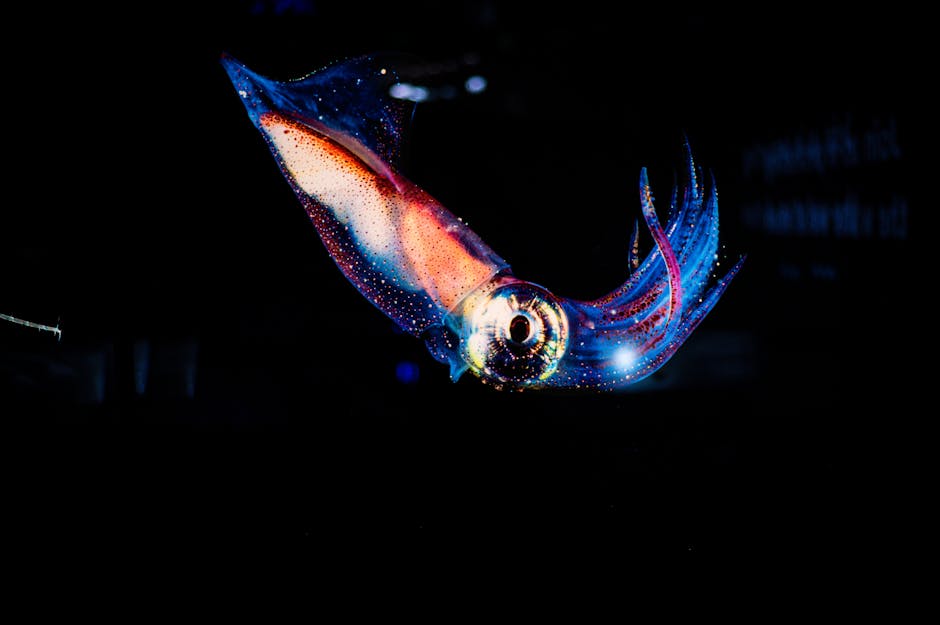
Japanese researchers recorded the deep-sea giant squid off the Ogasawara Islands.
 Topic
8 facts
Discover the amazing world of cephalopods! Learn about intelligent octopuses, speedy squids, camouflaging cuttlefish, and ancient nautiluses. Explore their unique features and marine habitats.
Japanese researchers recorded the deep-sea giant squid off the Ogasawara Islands.
With no bones, the only hard part of an octopus is its beak, so it can slip through tiny openings.
The dark cloud confuses the predator's vision and, in some species, dulls its sense of smell.
Its relatives date back roughly 500 million years, and it is the only cephalopod with a chambered outer shell.
Their pupils are shaped like the letter W, and they use them to see very well in varied light.
This remarkable cephalopod doesn't just change color; it physically contorts its body and changes its swimming style to imitate various venomous creatures like sea snakes, lionfish, and flatfish. This incredible mimicry helps it deter predators and hunt prey in the diverse Indo-Pacific waters.
Each eye can measure up to 27 centimeters (11 inches) in diameter, about the size of a soccer ball. These enormous eyes help them detect prey and predators in the dimly lit depths of the Southern Ocean, an incredible feat of evolution.
When threatened, this deep-sea cephalopod releases a cloud of sticky, glowing mucus from the tips of its arms. This dazzling distraction allows the squid to escape into the dark abyss, confusing potential predators in its lightless environment.