
Porto-Novo Is Benin's Capital While Cotonou Is Its Largest City
Government institutions are split between the two, and Cotonou remains the main economic center.
 Topic
10 facts
Explore Benin's rich history, from ancient kingdoms like Dahomey and its vibrant culture to its journey towards independence, shaped by powerful empires and resilience.
Government institutions are split between the two, and Cotonou remains the main economic center.
A national conference that year ended one-party Marxist rule, and Benin became one of the first African countries to hold multiparty elections.
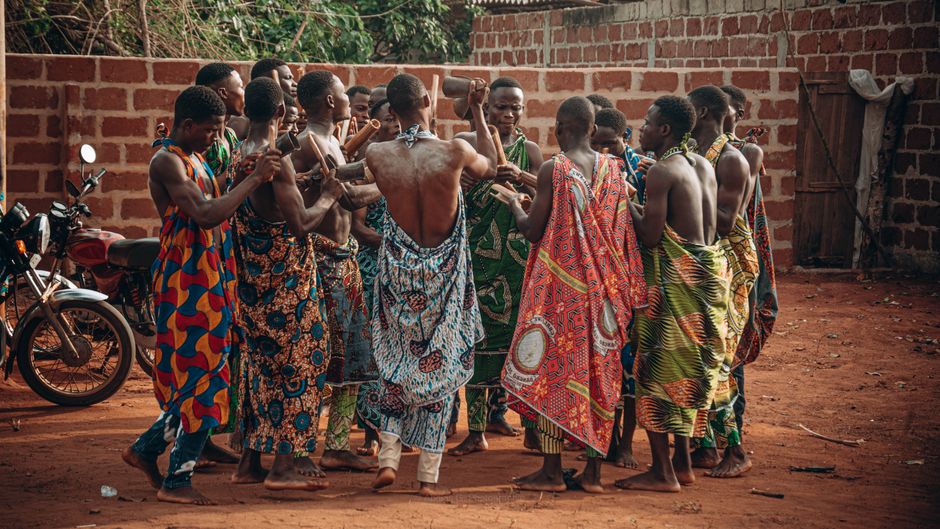
The religion is practiced by millions and is officially recognized in Benin, which celebrates a national Vodun Day each January 10.
Then called Dahomey, the country became independent on August 1, 1960.
The country took the name Benin under its Marxist government, after the Bight of Benin, though the name has no link to the ancient Benin Kingdom.
The Tofinu originally settled on Lake Nokoué centuries ago to escape slave traders, as the Dahomey Kingdom's warriors were forbidden from entering water. This historical ingenuity led to the creation of their unique aquatic village, a testament to their resilience.
These twelve palaces, built by successive kings of the Dahomey Kingdom from 1600 to 1900, served as centers of power and cultural life. They offer a unique glimpse into the sophisticated architecture and traditions of a powerful West African kingdom.
This archway symbolizes the point from which enslaved Africans were forcibly shipped across the Atlantic, never to return home. It is a powerful monument commemorating the victims of the transatlantic slave trade and serves as a site of remembrance and reflection.
Known as the Dahomey Amazons, these formidable female soldiers served as elite guards and fought in major battles for over two centuries. They were renowned for their bravery, discipline, and ferocity, inspiring awe and fear in their adversaries.
Ouidah, a coastal town in Benin, was one of the most significant ports for the transatlantic slave trade, with millions of Africans forcibly taken from its shores. The "Door of No Return" memorial stands there as a somber reminder of this dark period.