
FactcoveryFactcovery
Search facts and topics…
HomeFactsTopicsRandomHistoryWeirdCultureFunGeographyAnimalsBiologyAstrologyNatureAstronomyEconomySpace
Home/Facts/Elephants Are Keystone Species That Shape Entire Ecosystems
Elephants Are Keystone Species That Shape Entire Ecosystems
Elephant

Elephants Are Keystone Species That Shape Entire Ecosystems

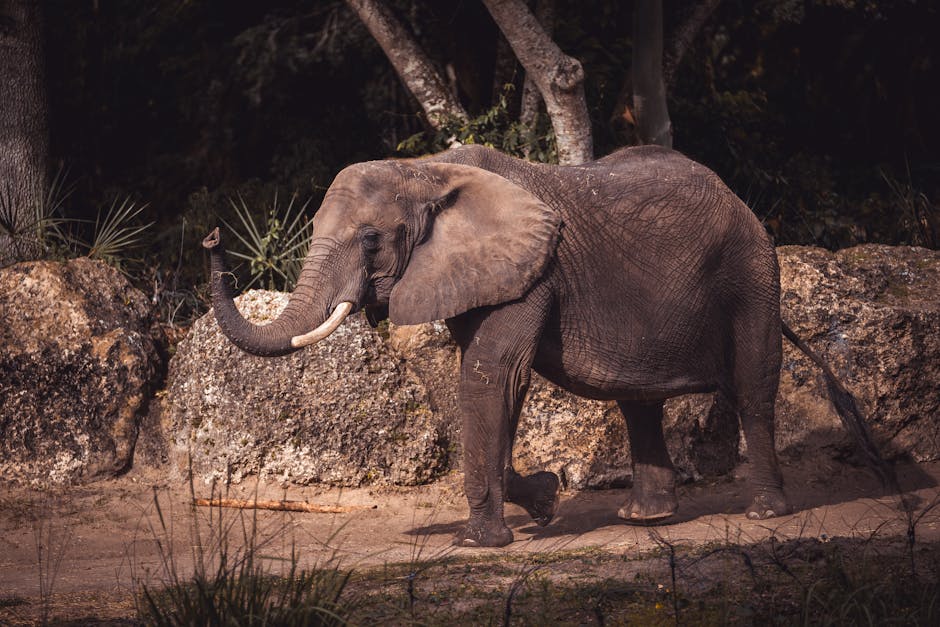
Elephants knock down trees to create open grasslands, disperse seeds across hundreds of kilometers in dung, and dig water holes used by dozens of other species. Remove elephants, and entire ecosystems collapse.

Source

https://wwf.panda.org/discover/knowledge_hub/endangered_species/elephants/african_elephants/

Details

Published
April 2, 2026
views
72
ElephantAnimalsScienceBiology

Advertisement

Related Facts

Weird56 views

Cats Have a Hidden Third Eyelid

Cats, like most birds, fish, reptiles, and amphibians, possess a nictitating membrane — a translucent third eyelid that moves horizontally across the eye from the inner corner. Normally hidden in healthy, alert cats, it becomes visible when a cat is drowsy, ill, or under stress. Humans lost this structure through evolution.

Weird52 views

Rubber Bands Last Longer When Stored in the Refrigerator

Natural rubber degrades primarily through oxidation — a chemical reaction with oxygen in the air. Cold temperatures significantly slow this process. According to van't Hoff's rule, every 10°C drop in temperature roughly halves the reaction rate. Storing rubber bands in the refrigerator (not the freezer) can extend their lifespan by years.

Weird41 views

Pando Is the Oldest and Heaviest Living Organism on Earth

In Utah's Fishlake National Forest, a clonal grove of quaking aspen trees named 'Pando' (Latin: 'I spread') consists of about 47,000 individual stems that are genetically identical, sharing a single root system. Weighing approximately 6,000 metric tons and covering 43 hectares, it is estimated to be 80,000 years old.

Weird44 views

Chameleons Change Color to Communicate, Not to Camouflage

Chameleons are not actually great at camouflage — their resting color already blends with their surroundings. Rapid color changes serve primarily as social signals: males flash bright colors during courtship or to threaten rivals, dark tones indicate fear or submission, and bright hues signal excitement. A 2014 study by Stuart-Fox confirmed communication as the primary function.

Advertisement

✦ Factcovery

TopicsAboutPrivacyContactFeedback

© 2026 Factcovery. All rights reserved.