
Arteries Carry Blood Away From the Heart
Veins carry blood back, though the pulmonary artery and vein are exceptions to the oxygen rule.
 Topic
9 facts
Uncover the secrets of your cardiovascular system! Learn how your heart, blood, and vessels work together to pump life-sustaining blood throughout your entire body.
Veins carry blood back, though the pulmonary artery and vein are exceptions to the oxygen rule.
It is among the first organs to function.
The blood makes a full trip around the body in about a minute.
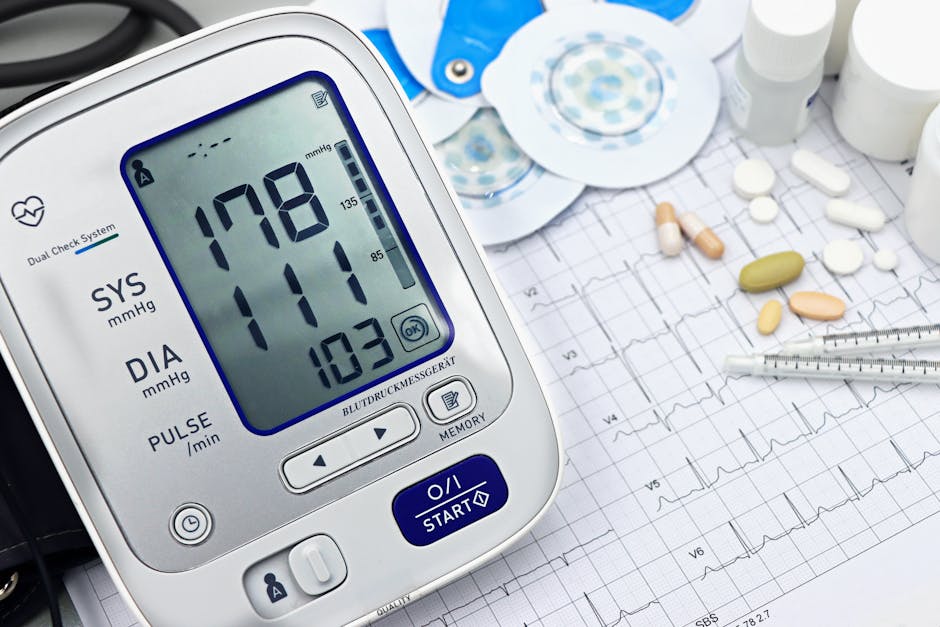
The first is the pressure when the heart beats and the second is the pressure between beats.
His book showed that blood circulates around the body rather than being consumed.
Two upper atria receive blood and two lower ventricles pump it out.
Adult human red blood cells (erythrocytes) have a lifespan of only 100–120 days before being broken down in the spleen and liver. To compensate, the bone marrow produces approximately 2 million new red blood cells every second — about 200 billion per day. Remarkably, mature red blood cells contain no nucleus or mitochondria, which maximises their space for haemoglobin. A single red blood cell carries around 270 million haemoglobin molecules, each able to transport 4 oxygen atoms.
The human circulatory system contains a vast network of arteries, veins, and capillaries totalling approximately 100,000 kilometres in length. Laid end to end, they would wrap around the Earth roughly 2.5 times. The capillaries alone account for about 80% of that total length. The walls of capillaries are just one cell thick — allowing oxygen, nutrients, and waste products to pass directly into and out of surrounding tissues.
The adult human heart beats between 60 and 100 times per minute — averaging about 100,000 beats per day. Over a 70-year lifetime, that totals roughly 2.5 billion beats. Each day, the heart pumps approximately 7,500 litres of blood through the body. The heart muscle (myocardium) is so efficient that it extracts about 70–80% of the oxygen from the blood passing through it, compared to just 25–30% for most other muscles.